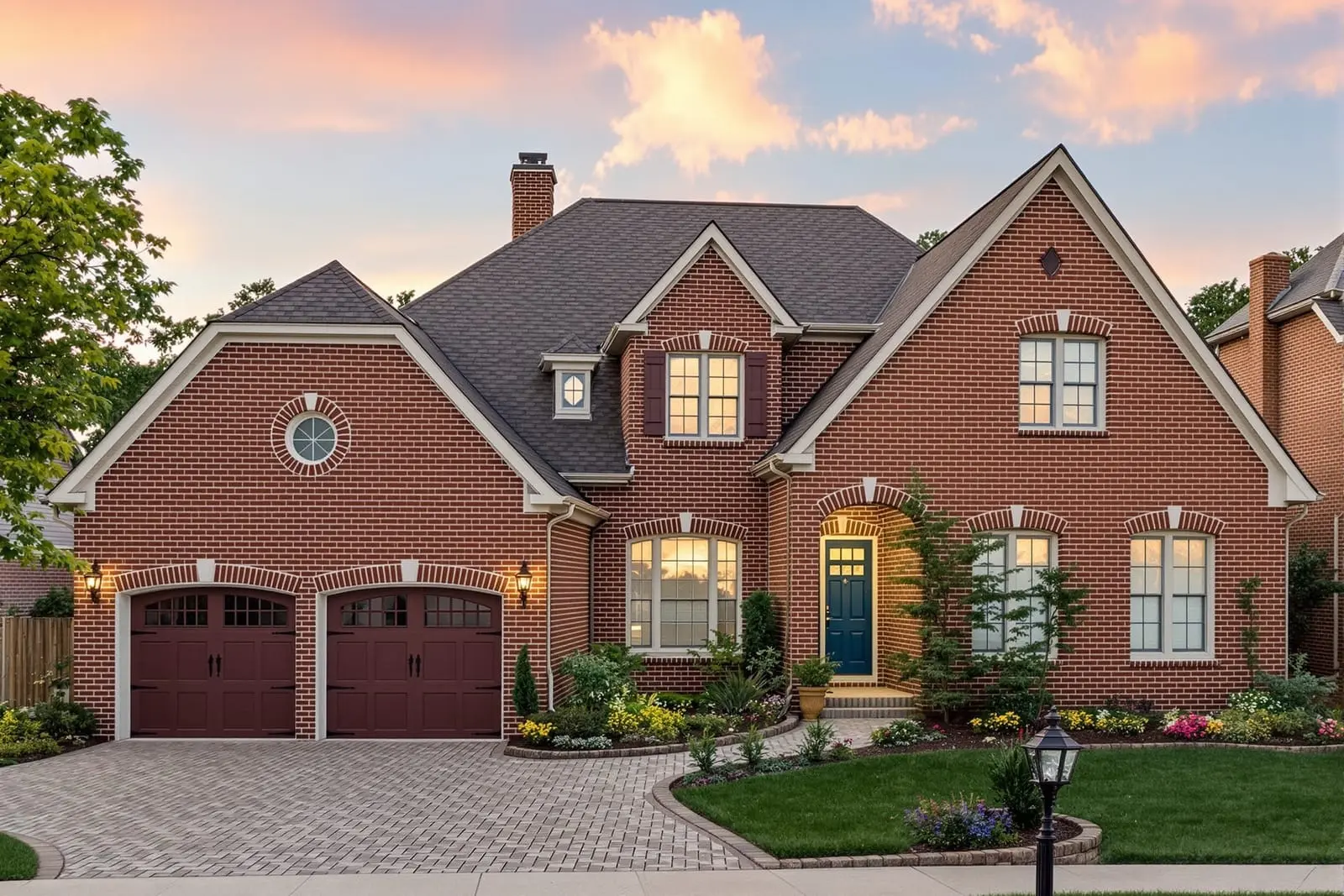
Our brick masonry services in Atlanta, GA provide durable, attractive solutions for homes of every style. From new brick walls to custom accents, we focus on structural integrity and curb appeal. Trust our experienced brick masons for precise workmanship and long lasting results.
Vanguard Masonry Atlanta provides professional brick masonry throughout Atlanta, GA and the surrounding area. Our licensed, insured crew delivers safe, clean, on-time work with a free estimate before anything begins. Call (404) 491-7290 or request your free quote.
Brick Masonry in Atlanta Built for Heat, Humidity, and Hillsides
Brick work in Atlanta needs to handle more than just day‑to‑day use. Our clay soils, steep driveways, summer heat, and sudden storms can all punish brick over time. Vanguard Masonry Atlanta focuses specifically on brick masonry that is designed for this climate and our local neighborhoods, from intown bungalows to newer suburbs and historic districts.
When we talk about brick masonry, we mean structures where the brick and mortar are doing the real structural work, not just a thin layer of veneer for looks. That includes brick steps, entry porches, load bearing walls, columns, mailboxes, patios, planters, and structural brick repairs. If you are unsure whether your project is structural or cosmetic, we explain the difference on site so you understand what is actually holding up your home or hardscape.
Because Atlanta has a mix of old and new brick, we maintain a local inventory of commonly used brick lines and know which regional distributors still carry older patterns. This helps us blend new brick work into existing homes in Grant Park, Virginia Highland, Decatur, Sandy Springs, and beyond so repairs and new additions look intentional rather than patched together.
How We Plan a Brick Masonry Project in Atlanta
A successful brick project starts before a single brick is laid. Vanguard Masonry Atlanta begins with a walk around your property, looking at slope, drainage, existing cracks, and any past patch work. We take moisture readings around foundations when needed and check how water is moving during heavy rain. This is important in Atlanta because many masonry failures begin as drainage issues, not bad brick.
Next, we talk through how you actually use the space. For example, brick steps on a steep Morningside lot need different proportions and handrail planning than a short set of steps in a flat subdivision in Marietta. A backyard brick patio in East Atlanta that will support a smoker, grill island, and a heavy table requires specific base prep and brick patterns that can handle point loads.
We then discuss color and texture. Atlanta has a wide range: old soft handmade style brick in older neighborhoods, wire cut brick in mid‑century homes, and smoother modular brick in new developments. We bring sample boards or photos from suppliers we work with locally, and when you are matching, we take sample bricks or high‑resolution photos to the yard to find the closest possible match.
Before final pricing, we clarify whether any permits or HOA approvals are needed. In the city of Atlanta, small non‑structural brick repairs usually do not require a building permit, but taller walls, structural changes to porches, or retaining structures over certain heights may trigger permit and inspection requirements. We help you understand that line and, if needed, coordinate drawings and documentation for the permit review.
Step by Step: How Your Brick Masonry Is Installed
Although every project is unique, the general process for brick masonry through Vanguard Masonry Atlanta follows a sequence designed for durability.
First is base preparation. For patios, walkways, and steps, we excavate to an appropriate depth, usually 6 to 10 inches depending on soil conditions and load, remove organic material, and compact a graded aggregate base. In soft or expansive clay areas we sometimes increase base thickness or use geotextile fabric to reduce movement. For walls and structural components, we form and pour reinforced concrete footings below the local frost line, which in Atlanta is shallow but still important.
Second is layout and leveling. We use string lines, story poles, and lasers to make sure courses are straight and elevations line up with doors, existing slabs, and landscape features. This is where we double check rise and run of steps to meet comfortable walking standards and, where applicable, local codes for tread depth and riser height.
Third is mortaring and laying brick. We select mortar type based on the age and use of your structure. For many modern homes we use Type N or S mortar, but for older, softer brick we may choose a weaker mortar that moves with the brick instead of causing damage. We butter each brick, tap it into place, and maintain consistent joints. For visible surfaces, we pay close attention to bond patterns, such as running bond, basketweave, herringbone, or stack bond, depending on your design.
Fourth is tooling and cleaning joints. While the mortar is still workable, we tool the joints to the profile you have chosen, often concave or grapevine for Atlanta homes. Proper tooling compresses the mortar surface and sheds water better, which is crucial in our sudden summer storms. We then carefully clean the brick faces so mortar haze does not set permanently.
Finally, we address drainage and finishing. On patios and steps, we build in subtle slopes away from the house. On brick planters and walls, we may include weep holes, drainage cores, or caps that limit water penetration. This finishing stage is where long term performance is truly locked in.
Brick Choices, Patterns, and Details That Work in Atlanta Neighborhoods
A brick project can be structurally sound but still feel out of place if the material choices do not respect the home and neighborhood. Vanguard Masonry Atlanta spends time up front on these design details so the finished work belongs on your street.
For color, we often help clients navigate between traditional red brick, darker ironspot blends, and lighter tumbled brick that pairs well with painted siding. In historic or older areas like Kirkwood or Inman Park, we may recommend softer tones and irregular textures that echo nearby homes. In newer suburbs in Gwinnett or Cobb, we can match the sharper lines and cleaner palettes usually seen in those developments.
Patterns make a big difference in both appearance and strength. Running bond is often best for walls and steps because it distributes loads well. On patios and walkways, herringbone laid at 45 degrees to the house gives strong interlock for high traffic areas, while basketweave can soften smaller courtyards. We explain where decorative borders, soldier courses at edges, or contrasting brick bands make sense and where they might catch water or trip feet.
Details such as rowlock caps on planters, brick soldier courses on stair noses, and recessed brick panels on front porches give Atlanta homes character without adding a huge cost. We also discuss incorporating concrete or cast stone caps where needed, especially on exposed walls that see a lot of driving rain.
If you have an HOA, we review your guidelines for brick type, color ranges, and front elevation requirements before finalizing selections. This avoids costly changes after review committees weigh in.
What Drives Brick Masonry Cost in Atlanta
Homeowners often want an honest explanation of why one brick project costs more than another. Vanguard Masonry Atlanta breaks pricing down so you can see where your budget is going.
Access is a major factor. A backyard in Brookhaven that we can reach with small equipment will cost less per square foot than a Midtown project where we hand carry materials through a narrow side yard and up stairs. Soil conditions also drive cost. Soft or poorly compacted clay may require a thicker base or larger footing, and hillside work in areas like Vinings or parts of Smyrna often needs additional reinforcement.
Brick type and pattern affect labor time. Standard modular brick with a simple running bond is more affordable than elongated or specialty brick laid in complex patterns with borders and inlays. Likewise, tight joint work, blended colors, or detailed insets require more layout and cutting.
Structural needs matter as well. A decorative garden wall under 3 feet high on level ground is simpler than a load bearing column for a porch roof or a brick retaining wall that must hold back soil. Structural projects may involve rebar, grout filled cores, engineered footings, and, in some cases, engineer review or building inspection.
Finishing details, such as special caps, recessed lighting built into steps, or integrated drainage channels, increase both material and labor costs but often add real value and safety. We present options in tiers so you can see how design choices change the final number without surprises.
Common Atlanta Brick Problems and How We Repair Them
Older Atlanta homes and even newer builds sometimes show recurring brick issues that worry owners. Vanguard Masonry Atlanta has a repair process that focuses on root causes, not just surface fixes.
Cracked bricks and step cracks in mortar joints often appear near corners, window openings, or along additions. We first check for active movement by looking at crack patterns, measuring gaps, and sometimes installing simple markers to see if cracks grow over time. If we find foundation or framing issues, we recommend addressing those in tandem with masonry repair so you do not pay twice.
Spalling brick, where the face flakes or pops off, is common on older soft brick that has been painted with the wrong products or exposed to trapped moisture. Instead of just replacing a few bricks, we look for sources of water such as missing kickout flashing, clogged downspouts, or poorly sloped patios. Repairs may include selective brick replacement, repointing with appropriate mortar, and improving drainage.
Loose or sinking brick steps and porch edges are often tied to poor base prep. In these cases, we typically remove the failing section down to solid material, rebuild the base with compacted stone or new concrete, then reinstall brick using modern standards while matching the original look as closely as possible.
For mortar deterioration, especially on older intown homes, we offer repointing that matches both color and hardness. Overly strong modern mortar on soft historic brick can cause damage, so we adjust mixes to suit the building, not just use a one size blend.
Why Atlanta Homeowners Choose Vanguard Masonry Atlanta
Working with a local brick mason should feel straightforward and neighborly. Vanguard Masonry Atlanta is based here, and most of our work comes from repeat customers and referrals around the metro area.
On every brick masonry project we provide clear written scopes that specify brick type (or matching process), mortar color, joint style, base or footing design, and any reinforcement we plan to use. This level of detail protects you if you are comparing multiple quotes, because you can see which contractor is including essential structural components instead of cutting corners.
We schedule work to respect your routine, keep the site as tidy as practical, and communicate when weather may impact mortar curing or scheduling. Atlanta’s humidity and summer storms can affect set times and cleaning methods, so we adapt our work windows to avoid problems like mortar washout or efflorescence.
Our team can also coordinate with other trades when needed, such as landscapers, fence installers, or general contractors. Many of our brick masonry projects are part of broader outdoor upgrades, including new decks, lighting, and plantings, so we help sequence work so heavy equipment does not damage fresh brick.
If you are considering a new brick feature or have a concern about existing masonry, we offer on site evaluations that focus on education first. Our goal is for you to understand what is happening with your brick and what your realistic options are, from minimal maintenance to full rebuilds, so you can choose the path that fits both your home and your budget.
“
Professional brick masonry, done right the first time, quality materials, honest pricing, and results that last.