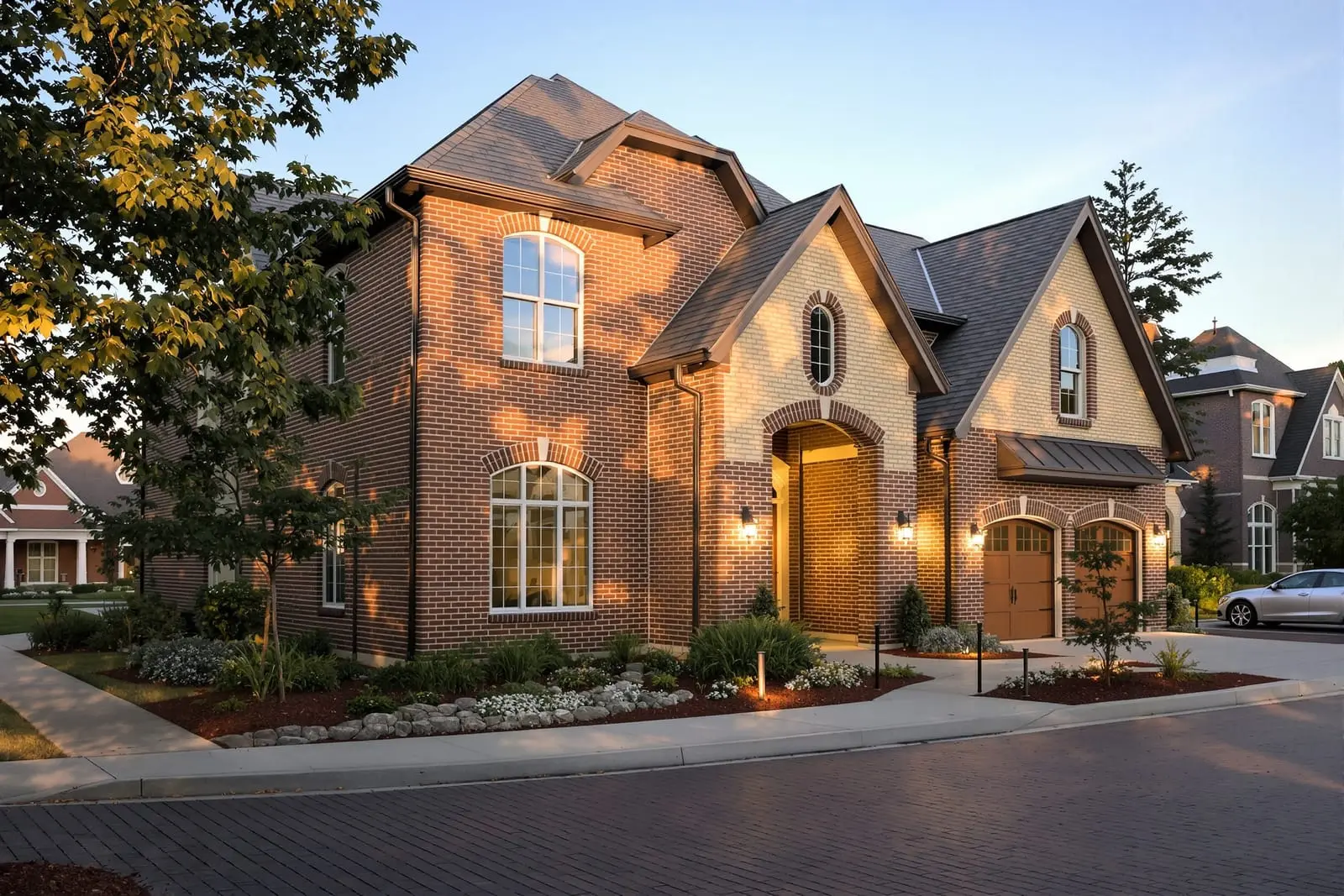
Our commercial brick veneer systems in Atlanta, GA provide durable, attractive cladding for multi story buildings and retail centers. We install anchored and panelized veneers to meet structural and energy requirements. Contractors benefit from our organized crews, clean workmanship, and adherence to plans.
Vanguard Masonry Atlanta provides professional commercial brick veneer throughout Atlanta, GA and the surrounding area. Our licensed, insured crew delivers safe, clean, on-time work with a free estimate before anything begins. Call (404) 491-7290 or request your free quote.
Commercial Brick Veneer Systems for Atlanta Properties
Vanguard Masonry Atlanta designs and installs commercial brick veneer systems for offices, retail centers, multifamily buildings, schools, and medical facilities across the metro area. Our focus is on creating a durable brick exterior that fits local building codes, stands up to Georgia weather, and respects your project budget and schedule.
Unlike structural brick walls, a commercial brick veneer is a non-load-bearing cladding that attaches to a backup wall such as CMU block, cast-in-place concrete, or cold-formed metal framing. Done correctly, it provides the classic look and protection of brick with more flexibility for modern commercial construction.
Our team works closely with architects, general contractors, and owners from schematic design to final punch list. We help you evaluate veneer thickness, anchoring systems, cavity depth, and detailing at windows, corners, and parapets so that the veneer not only looks right on day one but also drains water properly and resists cracking over time.
How We Plan Your Commercial Brick Veneer Project
A successful commercial brick veneer starts with careful planning. At Vanguard Masonry Atlanta, we begin with a site walk and drawing review, then move into specific detailing that fits Atlanta’s climate and local requirements.
We look at your structural drawings to confirm the backup wall type, floor line locations, and bearing conditions. This tells us where shelf angles, relieving angles, and brick ledges will be needed. For steel-framed buildings downtown or mid-rise apartments in Buckhead, we coordinate with the steel fabricator so angles are placed at the correct elevations and sized for the veneer load.
Next, we address weather and moisture management. Atlanta’s heavy summer rains and humidity make proper cavity design essential. We recommend a typical 1 to 2 inch air cavity, weep systems at the base of walls and over windows, and through-wall flashing at every shelf angle. For mixed-use buildings with retail at street level, we often add stainless or copper through-wall flashing at sidewalk level where water exposure is highest.
We also review access and phasing. In dense areas like Midtown or near the BeltLine, we plan scaffold types, loading zones, and material staging so veneer work does not conflict with other trades or city traffic regulations. This early planning helps avoid delays and change orders once construction is underway.
Material and Design Options for Commercial Brick Veneer
Commercial brick veneer offers a wide range of aesthetic and performance choices. Vanguard Masonry Atlanta helps you navigate these options so the finished building reflects your brand and holds up over time.
Brick units: We work with regional manufacturers that supply modular, queen, and utility sizes, in smooth, wire-cut, or tumbled finishes. For many Atlanta projects, a modular brick with a warm red or brown body blends well with neighboring buildings, while contemporary projects in Inman Park or West Midtown may use charcoal, cream, or blended colors for a modern look.
Mortar: Mortar color has a major impact on the appearance of the wall. We provide mock-up panels showing multiple mortar colors and joint profiles (concave, flush, raked, or struck) so your design team can approve the exact look. In Atlanta’s climate, we typically recommend ASTM-compliant Type N or Type S mortar depending on the structural and exposure conditions.
Anchoring and accessories: For brick veneer over metal studs, we typically use adjustable veneer anchors with corrosion-resistant coatings or stainless steel in more demanding environments, such as near busy roads with de-icing salts or mechanical equipment areas. We select control joint materials, sealants, and backer rods that are compatible with the air barrier and cladding system your project uses.
Detailing: Architectural features such as soldier courses, banding, recessed panels, and projected sills can often be created with standard brick units if planned correctly. We work with your architect to design these details so they are buildable, drain properly, and do not trap water or create thermal bridges.
Installation Process: From Substrate to Final Clean
Our commercial brick veneer installation follows a strict, step-by-step process that meets local codes and manufacturer guidelines.
Substrate preparation: We inspect the backup wall for plumbness, flatness, and proper attachment. For CMU or concrete walls, we confirm that air barriers, waterproofing membranes, and insulation are installed correctly and that through-wall flashing is properly lapped and terminated. For metal stud walls, we verify sheathing fasteners, blocking at openings, and air barrier continuity.
Layout and anchoring: Vanguard Masonry Atlanta masons snap control lines to keep coursing and joint alignment consistent across elevations. We install brick ties or anchors at the specified spacing, typically every 16 inches horizontally and vertically, while coordinating with structural drawings. Shelf angles and brick ledges are cleaned and prepped to receive flashing and veneer.
Bricklaying: Crews mix mortar to project specifications and begin at corners and openings, then infill between. We monitor joint thickness, bond patterns, and levelness continuously. For multi-story work in Atlanta’s variable temperatures, we adjust mix water and protect fresh walls from sudden rain or overnight temperature drops to prevent mortar washout and early cracking.
Flashing and weeps: At every base of wall, window head, lintel, and shelf angle, we integrate flashing and weep systems. We pay particular attention to transitions at storefronts and curtain walls, which are frequent leak points in commercial buildings if not detailed correctly.
Final cleaning and inspection: After the veneer cures, we perform a gentle cleaning using methods approved by the brick manufacturer to avoid etching or discoloration. Then we walk the project with the GC or owner, checking for uniform joint tooling, correct joint spacing, proper weep locations, and clean terminations at adjacent materials.
Cost Drivers and Budget Planning for Brick Veneer in Atlanta
Project owners often ask what drives the cost of a commercial brick veneer system. Vanguard Masonry Atlanta provides clear, line-item budgets so you can see where your money is going and how design decisions affect pricing.
Main cost factors include:
Wall height and complexity: Taller buildings and elevations with many corners, offsets, or projections require more scaffolding, layout time, and labor hours. A simple flat warehouse wall in the suburbs will cost less per square foot than a highly articulated storefront near Ponce City Market.
Structural support: Shelf angles, lintels over wide openings, and engineered brick ledges add both material and fabrication costs. Steel prices and lead times can affect your budget, so early coordination with your structural engineer is important.
Material choices: Specialty or imported brick, custom blends, or glazed units are more expensive than standard regional products. Upgraded flashing materials like stainless steel and premium sealants also add cost but may reduce long-term maintenance and leak risk.
Access and schedule: Tight urban sites, night work requirements, and compressed schedules often require more manpower, additional equipment, or off-hour deliveries, all of which can increase pricing. On the other hand, early coordination and clear phasing can keep our crews working efficiently and reduce total labor costs.
We are always open about what can be adjusted to meet a target budget, whether that means simplifying patterns, reducing the number of specialty details, or adjusting brick size to reduce cutting and waste.
Common Atlanta Issues and How We Prevent Them
Atlanta’s climate and soil conditions create specific challenges for commercial brick veneer systems. Vanguard Masonry Atlanta has seen the most common problems and knows how to avoid them.
Moisture intrusion: Heavy summer storms and wind-driven rain can overwhelm poorly detailed walls. We reduce risk by insisting on continuous flashing, properly spaced weeps, and a clear, unobstructed drainage cavity. We coordinate with air barrier installers to avoid gaps or punctures at anchors and shelf angles.
Thermal movement and cracking: Temperature swings, especially on south and west-facing walls, can cause expansion and contraction. We locate control joints based on building geometry and brick manufacturer guidelines, not just evenly spaced intervals. These joints, along with soft joints at window frames and structural transitions, reduce unsightly cracking.
Efflorescence and staining: In our humid climate, water that migrates through masonry can bring salts to the surface. We manage this by keeping cavities clean, using appropriate mortar mix designs, and ensuring that sprinklers and landscaping do not constantly saturate the veneer. When efflorescence does appear, we use manufacturer-recommended cleaning methods instead of harsh acids that can damage the brick.
Foundation and settlement issues: Areas on fill or near older infrastructure can experience minor movement. We work with structural engineers to detail flexible joints at slab transitions and to provide recommended bearing for brick ledges, which reduces stress on the veneer when small movements occur.
Why Local Experience Matters for Your Brick Veneer System
Choosing a contractor with local commercial experience is critical when you invest in a brick veneer façade. Vanguard Masonry Atlanta has completed projects across Fulton, DeKalb, Cobb, and Gwinnett, which means we are familiar with local inspectors, permitting processes, and the expectations of major general contractors in the region.
We understand how Atlanta’s weather patterns, from spring storms to hot, humid summers, affect scheduling, curing times, and protection methods. Our crews plan around these realities, instead of treating every region as if it shared the same conditions.
We are also invested in the community. Many of our masons live in the same neighborhoods where we work, and we know that a well-built brick façade becomes part of the city’s visual identity for decades. That is why we encourage owners and design teams to visit past projects, review sample panels, and discuss long-term maintenance before construction begins.
If you are planning a new commercial build or a renovation that includes commercial brick veneer, we are available to review your drawings, walk your site, and provide a detailed, locally informed proposal tailored to Atlanta’s conditions and your project goals.
“
Professional commercial brick veneer systems, done right the first time, quality materials, honest pricing, and results that last.
Vanguard Masonry Atlanta
Commercial Brick Veneer Systems Across Our Service Area