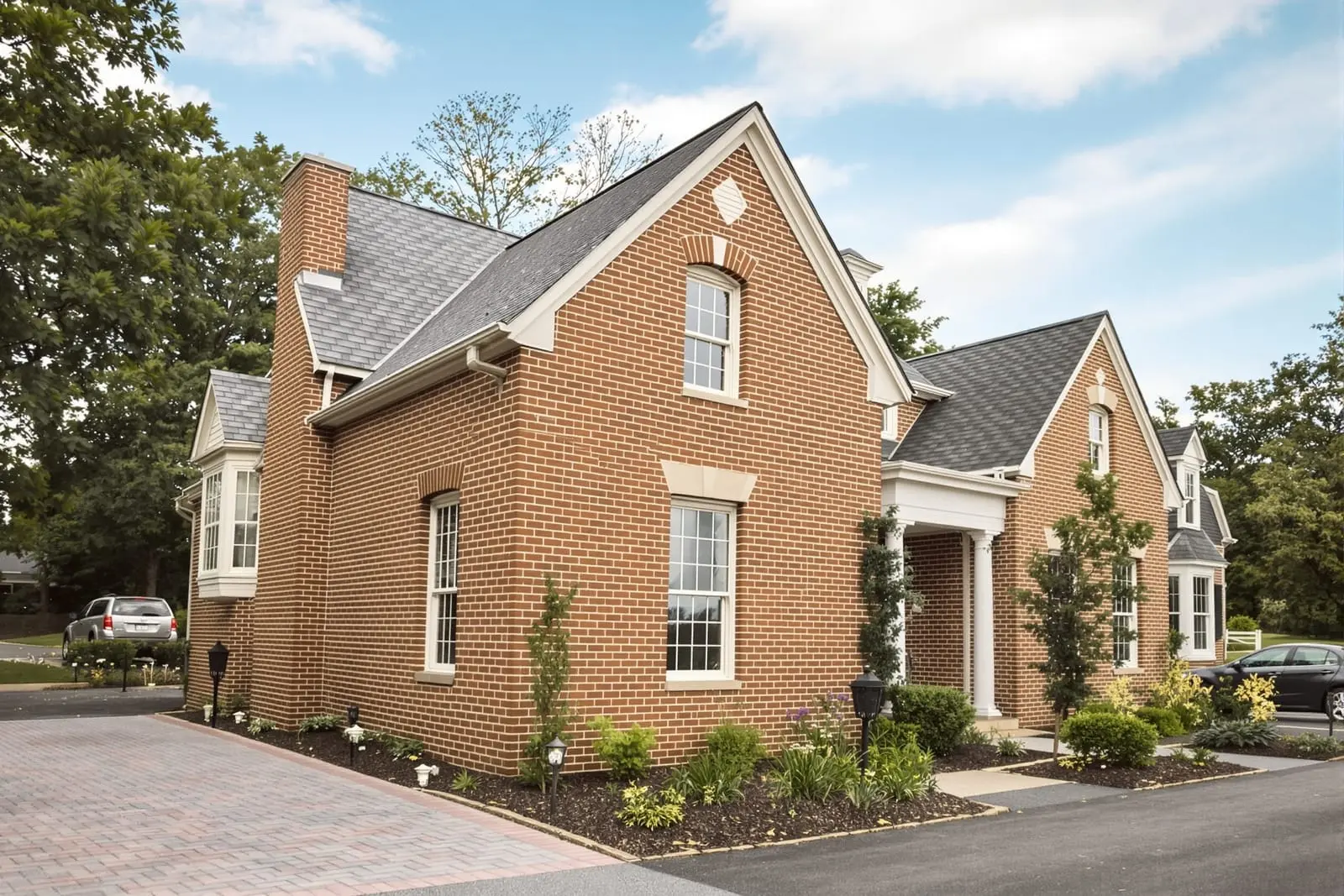
Our commercial brick masonry services in Atlanta, GA support new construction, renovations, and repairs for business properties. We install brick veneers, structural walls, and architectural details that meet project specs and schedules. Contractors rely on our experienced crews for safe, efficient commercial brickwork.
Vanguard Masonry Atlanta provides professional commercial brick masonry throughout Atlanta, GA and the surrounding area. Our licensed, insured crew delivers safe, clean, on-time work with a free estimate before anything begins. Call (404) 491-7290 or request your free quote.
Commercial Brick Masonry for Atlanta Properties
Vanguard Masonry Atlanta provides commercial brick masonry that is built to handle Atlanta’s humidity, summer heat, and sudden storms. We focus on structures that see daily use: retail centers, multifamily housing, office buildings, schools, restaurants, and medical facilities. Our crews are used to working around active businesses, which means safe setups, clear walk paths, and scheduling that keeps tenants, customers, and staff moving.
Commercial brick work in our climate lives or dies by moisture control and drainage. We design and build brick systems with proper weep locations, flashing details at windows and transitions, and expansion joints that match Atlanta’s temperature swings. The goal is simple: attractive brick walls that do not trap water and do not crack apart over time.
From new construction to repairs on older masonry, we coordinate with general contractors, engineers, and property managers to keep projects aligned with plans, inspections, and occupancy deadlines. Vanguard Masonry Atlanta is familiar with City of Atlanta permitting, local inspectors, and common plan review comments related to brick cladding and structural support.
How We Plan a Commercial Brick Masonry Project
Every commercial brick masonry job starts with a site review. We verify layout lines, slab or foundation condition, and how the brick will tie into steel, block, or concrete. If the structure already exists, we check for deflection, water intrusion, and previous repairs. This prevents surprises midway through the work.
Next, we review drawings and specifications with the contractor or owner. We confirm brick type, size, color range, mortar type, reinforcement, veneer anchors, and control joint locations. On many Atlanta projects the architect calls for specific brick blends and mortar colors to match adjacent buildings in a retail or campus setting. We request samples and mockups so you see the actual material in daylight before full installation.
Once materials are selected, we schedule work around weather and job site activity. In Atlanta, we avoid critical masonry pours and brick setting during heavy rain forecasts and extreme afternoon heat when mortar can dry too quickly. For occupied properties, we plan phases so sections of the building remain accessible and we coordinate with other trades for scaffold locations, staging, and deliveries.
Throughout planning, Vanguard Masonry Atlanta provides realistic timelines and manpower projections. If you have inspection milestones tied to lender draws or tenant move-in dates, we align our masonry schedule with those requirements so you are not waiting on the brickwork to finish the job.
Material and Design Choices That Affect Cost and Performance
Commercial brick masonry pricing in Atlanta depends on more than square footage. The brick unit itself is a major factor. Standard modular brick is usually the most cost effective, while custom sizes, hand-made units, or special textures raise material and cutting costs. Complex color blends and tight color control also increase labor, since our masons must pull from multiple cubes and place units carefully to avoid patches or banding.
Mortar type and color matter as well. Harder mortars like Type S or Type M may be specified low on the wall or near grade, while Type N is more common in standard veneers. Colored mortar requires careful batching and cleanup because any smears are more visible on dark or tinted joints. Vanguard Masonry Atlanta sets strict mixing ratios and uses clean water and sand so each batch matches the approved sample.
Design details affect cost and schedule. Soldier courses, rowlocks, arches, pilasters, recessed panels, and projected bands all take more layout time and often require more cuts and temporary bracing. Corners, window returns, and parapets are slower to build than long flat runs, so buildings with many openings will not price the same as simple warehouse walls of the same area.
Behind the brick, quality wall ties, shelf angles, and flashing systems are non-negotiable. Galvanized or stainless-steel anchors resist rust in our humid, sometimes acidic rain environment. Proper through-wall flashing at floor lines, window heads, and roof transitions keeps water from migrating into the structure. Cutting these items to save a small amount upfront typically leads to leaks and expensive interior repairs within a few years.
Our Commercial Brick Masonry Installation Process
On site, Vanguard Masonry Atlanta begins by setting scaffolding or mast climbers that meet OSHA requirements and accommodate other trades. We set lines for each course and confirm bond patterns against the drawings so the first lift of brick is exactly where it needs to be. The first few courses near grade receive extra attention, since any mistake low on the wall will telegraph upward.
We install veneer anchors at the spacing and pattern required by the engineer or building code, and we place them as the wall goes up, not retrofitted after. This keeps the brick tied back to the structure, which is critical for wind loads during Atlanta’s summer storms. We also maintain air spaces and weep locations, keeping cavities clear of mortar droppings so water can drain.
Mortar is mixed to the specified proportions, then used within a tight time window so it does not lose workability in the heat. Joints are struck at the right moment for the chosen profile, such as concave or flush, to ensure proper compaction and water shedding. As we build, we continuously check level, plumb, and alignment with levels and string lines so the wall stays true.
Cleanup is handled in stages. We remove heavy mortar smears early, then use appropriate cleaners only after mortar has cured enough to resist damage. Many Atlanta bricks have textured or tumbled faces, so we test any cleaner on a small area first to avoid burning or streaking. By the time scaffolding comes down, the brickwork should be clean, consistent, and ready for punch list review.
Common Atlanta Brick Problems and How We Fix Them
Atlanta’s climate exposes commercial brick to fast temperature swings, heavy thunderstorms, and long periods of high humidity. Typical problems we see include step cracking near corners, spalling brick faces, efflorescence, and interior leaks at window heads and parapets. Vanguard Masonry Atlanta addresses the cause, not just the symptom.
For cracking, we first determine if the movement is structural, from building settlement, or from missing or misplaced control joints. Hairline cracks in mortar can sometimes be raked and repointed with a compatible mortar. Wider or recurring cracks often require stitching, new expansion joints, or adjustments to shelf angles so the veneer can move independently of the structure.
Spalling and brick face damage often come from saturated brick and repeated freeze-thaw cycles, especially on shaded north elevations and parapets. We replace damaged units, correct any failed flashing details, and add proper drip edges or caps to parapet tops. If deteriorated steel lintels are causing rust jacking above openings, we clean or replace the steel, apply protective coatings, and rebuild the brick to restore the original look.
Efflorescence, the white staining seen on many Atlanta buildings after long wet periods, is usually a moisture and migration issue. We locate water entry points, verify that weeps and cavities are functioning, and then clean with methods that do not damage the brick surface. With all repairs, we pay close attention to brick and mortar matching so patches blend with the existing wall instead of standing out.
Scheduling, Permits, and What Owners Should Know
For commercial brick masonry in Atlanta, the best working windows are typically late fall through spring, when daytime temperatures are moderate and rain patterns are more predictable. Summer work is possible and common, but it requires more staging, shading, and water control to keep mortar from drying too fast or washing out in sudden storms. Vanguard Masonry Atlanta adjusts crew start times and mixing procedures based on season so quality stays consistent.
On larger projects, permits and inspections are usually handled through the general contractor, but owners and property managers still benefit from understanding the sequence. Masonry is usually inspected at anchors and flashing stages, at mid-height for reinforcement and alignment, and at completion. We stay ahead of these check points by notifying the GC or owner when each inspection-ready stage is coming up.
Before hiring any commercial brick masonry contractor, ask for specific examples of similar Atlanta projects, not just residential photos. Verify that the company understands local codes related to seismic and wind requirements, that they can provide certificates of insurance naming your business or ownership entity, and that they have a plan for protecting pedestrians, vehicles, and landscaping around the work zone.
Vanguard Masonry Atlanta provides clear written proposals that break down the scope, materials, and exclusions. We outline what we will handle, such as brick, mortar, anchors, and flashing, and what is typically by others, such as framing, waterproofing membranes behind the veneer, or final painting of adjacent materials. This level of detail prevents change order disputes and keeps your commercial brick project in Atlanta on budget and on schedule.
“
Professional commercial brick masonry, done right the first time, quality materials, honest pricing, and results that last.