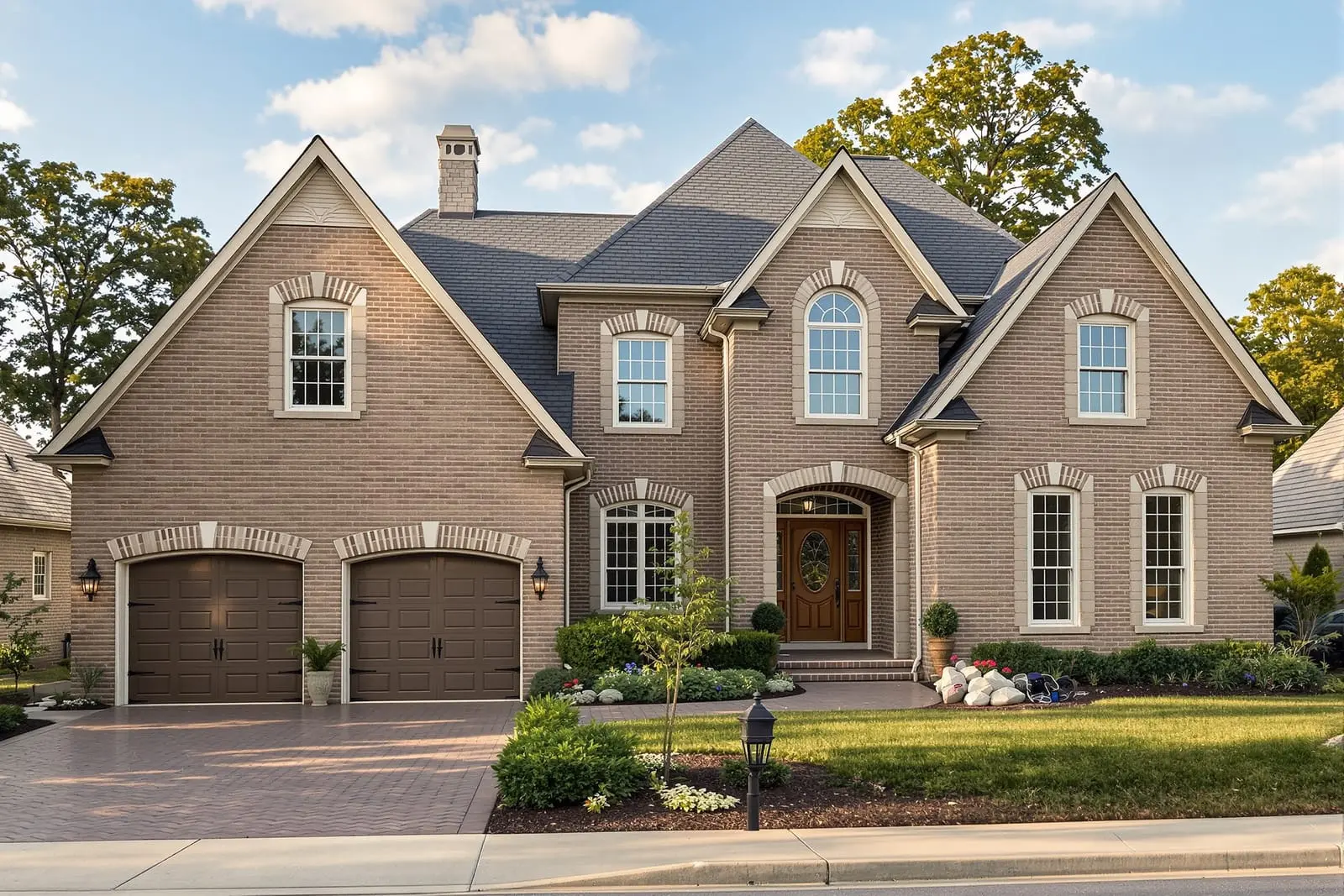
We offer tuckpointing and repointing in Atlanta, GA to stop masonry deterioration and water intrusion. Our technicians carefully remove failed mortar and replace it with properly matched materials. Preserve your brick or stone surfaces while improving both structural integrity and appearance.
Vanguard Masonry Atlanta provides professional tuckpointing throughout Atlanta, GA and the surrounding area. Our licensed, insured crew delivers safe, clean, on-time work with a free estimate before anything begins. Call (404) 491-7290 or request your free quote.
Tuckpointing and Repointing for Atlanta Brick Homes and Buildings
Atlanta’s mix of older brick bungalows, mid-century homes, and commercial buildings means mortar joints are often the first part of the masonry to fail. Tuckpointing and repointing are the targeted repairs that keep that brick secure, weather resistant, and looking sharp.
Vanguard Masonry Atlanta focuses on careful, detail-driven tuckpointing work tailored to our local conditions. High summer heat, sudden thunderstorms, and occasional winter freezes all stress mortar differently than in colder climates. We evaluate how your brick is performing in this specific environment before choosing the right repair method.
For many Atlanta property owners, the goal is to stop active water intrusion, prevent loose bricks, and improve appearance without a full rebuild. Tuckpointing and repointing let us remove deteriorated mortar and install new, properly matched mortar so the wall works as a system again. Whether it is a Grant Park chimney, a Virginia-Highland front porch, a West End historic facade, or a Midtown storefront, we adjust our approach to the age and style of the brickwork.
How Tuckpointing and Repointing Are Actually Done
A quality tuckpointing project is much more than smearing new mortar over old joints. Vanguard Masonry Atlanta follows a consistent, step-by-step process that respects the brick and extends its life.
First, we inspect all accessible masonry, inside and out if possible. We look for hairline cracks, crumbling joints, hollow-sounding spots, white salt deposits (efflorescence), brick spalling, and places where water is getting in, such as around windows, sills, and chimneys.
Second, we test the existing mortar. On older Atlanta homes from the early 1900s, mortar is often lime-rich and softer. On newer construction, it is usually a stronger Portland cement blend. Matching hardness is critical. If new mortar is too hard, it can cause the brick to crack instead of the joint.
Third, we remove the failing mortar. We use hand tools or small grinders with vacuum attachments to cut out joints to a proper depth, typically about two to two and a half times the width of the joint. We avoid overcutting, which can weaken the wall, and we protect the edges of the brick.
Fourth, we clean and prep. Joints are brushed and blown free of dust, then lightly dampened so the new mortar bonds well and cures correctly instead of drying too fast in the Atlanta heat.
Fifth, we pack in fresh mortar in layers, compacting each pass. We bring the joint slightly proud of the brick face, then tool it to match the original joint profile, such as concave, flush, or struck. For true decorative tuckpointing, we can introduce a second, contrasting color line after the base mortar cures to mimic very fine joints.
Finally, we clean the area by hand once the mortar has set, not with harsh acid that can damage softer brick. We then review the work with you so you can see the difference between repaired and unrepaired joints and understand what was done.
Material Matching and Color Options for Atlanta Masonry
One thing that sets Vanguard Masonry Atlanta apart is the time we spend matching mortar composition and color. Atlanta has many shades of brick, from deep red in historic neighborhoods to tan and brown blends in newer suburbs. Using a one-color, one-strength mortar everywhere is a shortcut that often leads to visible patches and premature cracking.
We typically create a custom mortar blend on site or in advance using sand that closely matches your existing joints. Color matching can involve mixing small percentages of mineral pigments or adjusting the sand-to-cement ratio to get closer to a weathered tone. Our goal is not a brand new, obviously patched look, but a repair that blends in after a short weathering period.
For historic homes, we are very cautious about mortar strength. Many older Atlanta bricks are softer and more porous than today’s units. We may recommend lime-rich mortars that flex slightly and allow moisture to escape, instead of very rigid modern mixes. This helps prevent the brick faces from popping or flaking later.
If you are interested in decorative tuckpointing, such as a contrasting fine line that outlines each brick on a front facade, we can review color samples with you. This is common on feature areas like entry arches, porch columns, and commercial storefronts where you want a crisp, refined finish without rebuilding the wall.
Common Brick and Mortar Problems We See in Atlanta
Because Atlanta has a humid climate with strong sun and frequent storms, certain masonry problems show up again and again. Understanding these issues helps you know when tuckpointing is the right solution.
We often see vertical and stair-step cracks at corners or near window openings, especially on homes where the soil has settled or where gutters overflow. If the brick itself is still mostly intact and the structure is sound, repointing cracked joints can lock everything back together and keep water from enlarging the cracks.
Another recurring issue is crumbly or missing mortar on chimney tops. Atlanta chimney caps and crowns take a beating from direct sun and rain, and the mortar joints between bricks on the upper courses often deteriorate first. Tuckpointing those joints, combined with cap repairs or a new crown, can stop leaks that show up as stains on interior ceilings near fireplaces.
We also see mortar erosion along porch walls and retaining walls where sprinkler overspray or poor drainage keeps the masonry damp. When mortar has washed out or turned sandy, repointing is essential before bricks start shifting or bulging.
In some cases, we find that previous repairs were done with the wrong mortar or applied over loose material. Part of our work is carefully removing those failed patches, getting back to solid backing, and installing a repair that matches both visually and structurally.
What Affects Tuckpointing Cost in the Atlanta Area
Pricing for tuckpointing and repointing is driven by several specific factors, and we try to explain each one clearly during your estimate so there are no surprises.
Accessibility is a major cost driver. Ground level garden walls and first-floor facades are less expensive than tall chimneys and multi-story walls that require staging or lifts. Many Atlanta homes have steep roofs or limited side-yard space, which can affect the equipment we need to use.
The extent and depth of damage also matter. Spot tuckpointing a few problem areas costs less than a full elevation or a complete chimney. If mortar has failed deeply or bricks are loose, we spend more time on safe removal and rebuild of individual areas, which adds to labor.
Material selection influences cost too. Historic-appropriate lime mortars and specialty pigments can be more time consuming to mix and apply than standard bagged mortars. When very precise color matching is requested on prominent facades, we may prepare multiple test panels and adjust formulas, which is factored into the project price.
Finally, scheduling and coordination can play a role. If tuckpointing needs to coincide with other exterior work, such as window replacement or painting, we plan phasing so that each trade has access without damaging the other’s work. Coordinated projects can save money overall but may require more planning time.
During your estimate, Vanguard Masonry Atlanta walks the property with you, points out priority areas, and can often suggest phased repairs that address the most urgent issues first while planning long term improvements.
How We Protect Your Property During Tuckpointing
Masonry work involves dust, vibration, and moisture, so we take specific steps to safeguard your home or business and keep disruptions low.
We typically start by protecting adjacent surfaces. This can include covering windows, landscaping, and walkways with breathable sheeting, and setting up temporary barriers to keep dust away from entry doors and air conditioning equipment. On commercial sites, we coordinate with you on access paths so customers can still enter safely while work is underway.
For interior-adjacent walls, we may ask you to clear shelves or pictures temporarily, especially in older homes where vibration could disturb plaster or drywall. If we are tuckpointing a chimney, we seal off fireplace openings from the inside to reduce dust migration.
Noise is another consideration. We schedule the loudest tasks during daytime hours agreed upon in advance. For many joints, we use hand tools rather than grinders where possible, which is slower but quieter and gentler on fragile brick.
Clean up is done every day, not just at the end of the project. We remove loose debris, sweep walkways, and ensure there are no nails or sharp fragments where children or pets might be. At final completion, we do a joint walkthrough with you so you can inspect the work and the site before we demobilize.
When to Call Vanguard Masonry Atlanta for Tuckpointing
Tuckpointing is easiest and most cost effective when problems are caught early. In Atlanta, we recommend a close look at your brick after heavy storm seasons and in any year you notice interior moisture signs.
You should consider calling Vanguard Masonry Atlanta if you see mortar that has recessed more than one quarter inch from the face of the brick, visible gaps where you can insert a key or screwdriver, sand or grit collecting at the base of walls, or dark, damp patches on interior walls or ceilings that line up with exterior masonry.
Other warning signs include bricks that sound hollow when tapped, pieces of brick face popping off, and recurring efflorescence even after cleaning. On chimneys, check for loose bricks at the top, rust stains on the firebox, or water in the firebox after rain.
When we visit, we provide straightforward feedback. If your mortar is aging but still serviceable, we will tell you and suggest a monitoring schedule rather than pushing immediate work. If tuckpointing is needed, we outline exactly which areas are priorities, what materials we recommend, and how the repairs will perform in Atlanta’s climate.
Our goal is to keep your brickwork safe, dry, and attractive so it continues to add value and character to your property for decades, without unnecessary replacement.
“
Professional tuckpointing and repointing, done right the first time, quality materials, honest pricing, and results that last.
Vanguard Masonry Atlanta
Tuckpointing and Repointing Across Our Service Area