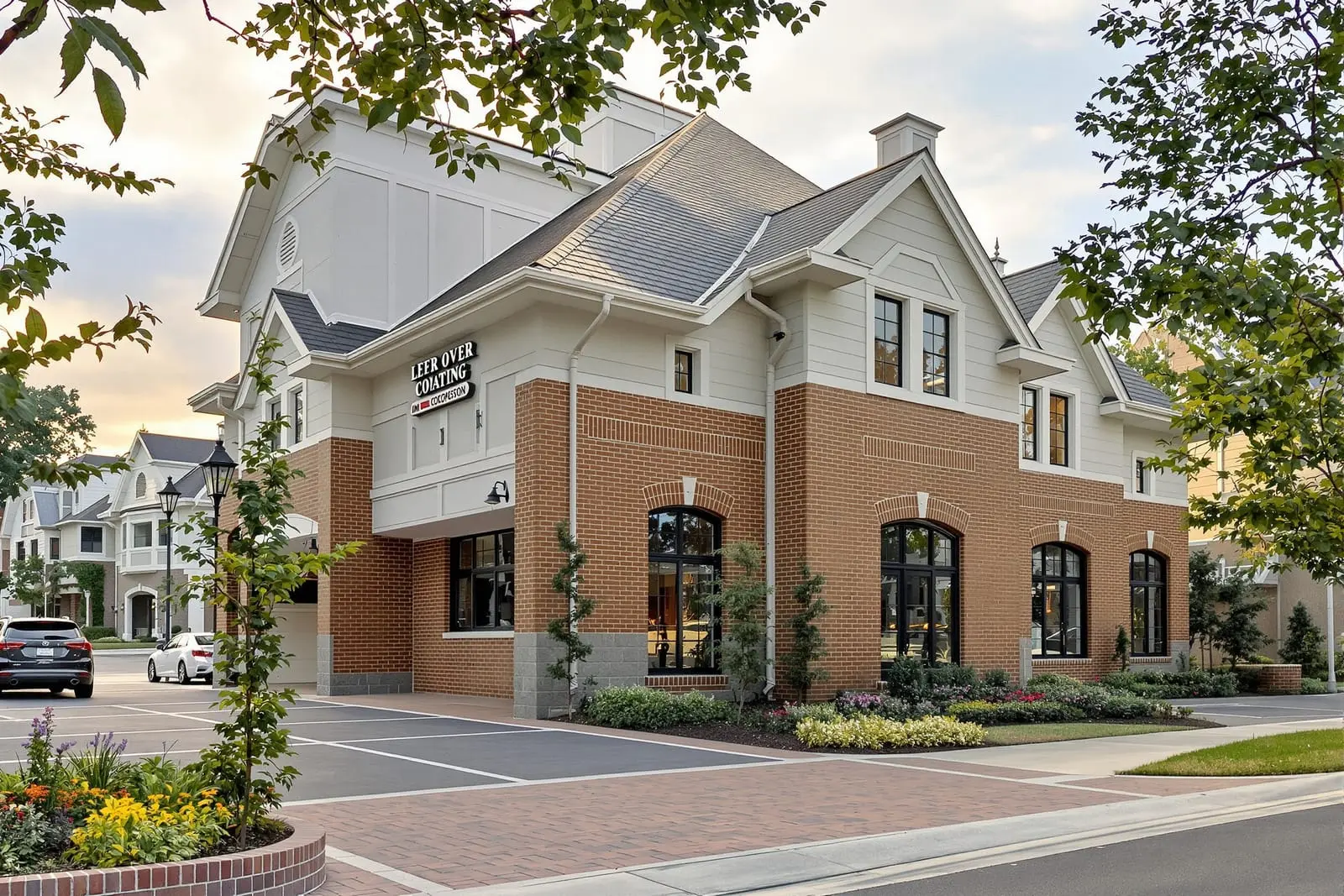
We provide masonry waterproofing and coatings in Atlanta, GA to protect brick, block, and stone from moisture intrusion. Our services include clear sealers, elastomeric coatings, and below grade waterproofing systems tailored to each structure. Proper treatment extends the life of masonry and reduces maintenance costs.
Vanguard Masonry Atlanta provides professional masonry waterproofing throughout Atlanta, GA and the surrounding area. Our licensed, insured crew delivers safe, clean, on-time work with a free estimate before anything begins. Call (404) 491-7290 or request your free quote.
Masonry waterproofing tailored to Atlanta buildings
In Atlanta, masonry does not fail overnight. It breaks down slowly from years of hot sun, surprise downpours, and humidity that never quite lets things dry out. Vanguard Masonry Atlanta focuses on masonry waterproofing and coatings that are chosen and installed specifically for brick, block, stone, and stucco structures in this climate, not just whatever is on sale at the supply house.
Most of the homes and small commercial buildings we see are 20 to 60 years old, often with brick veneer over wood framing, older solid brick walls in intown neighborhoods, or CMU block walls on commercial properties. Each of these behaves differently when exposed to water. A product that works on a dense 1950s brick in East Atlanta is not necessarily right for a porous split face block wall near the Perimeter. Our work starts with figuring out what you actually have and how it is failing before we talk about any coatings at all.
Our goal is simple. Keep water out of the places it does not belong, let trapped moisture escape, and preserve the look and strength of the masonry for as long as possible. That means selective use of breathable sealers, elastomeric coatings where movement is an issue, and detailed caulking and joint repair instead of just rolling paint over problems.
Inspection and diagnosis before any coating goes on
Effective masonry waterproofing in Atlanta starts with a methodical inspection. When Vanguard Masonry Atlanta comes out, we first map where water is getting in and why. That typically includes:
• Visual survey of walls, chimneys, parapets, and foundations for cracks, open joints, spalling, or efflorescence (white powder)
• Moisture pattern checking inside, such as stains on drywall, peeling paint, or musty odors near exterior walls
• Hose testing when necessary to replicate leaks on specific wall sections or window transitions
We pay close attention to horizontal surfaces and transitions, since these are frequent failure points in Georgia storms. Examples are the top of brick garden walls in Buckhead that were never capped correctly, chimney shoulders on older bungalows in Kirkwood, and window sills on mid rise commercial buildings in Midtown.
Before any waterproofing, we address structural and maintenance issues. Cracked bricks and blocks get replaced, deteriorated mortar joints are repointed, and missing or rusted through flashing gets repaired or added. If there are active leaks at window frames or control joints, we remove and replace old failed sealant with the correct masonry compatible sealant. Only after these defects are corrected do we move on to cleaning and coating.
Surface prep and cleaning that makes waterproofing last
Waterproofing products only perform as well as the surface preparation. In Atlanta, airborne pollutants, red clay splash, mildew, and old paint or sealer residues can all keep new coatings from bonding. Vanguard Masonry Atlanta uses a sequence that respects the masonry type and condition, rather than a one size fits all pressure washing.
We start by choosing the lowest pressure that will clean effectively without etching the brick or driving water too deep into the wall. On softer historic brick in neighborhoods like Grant Park, that might mean gentle washing with masonry detergents and soft bristle brushes. On modern CMU block behind a shopping center, we can safely use higher pressure with specific degreasers.
If there is efflorescence, we remove it with masonry safe cleaners and rinsing. For painted or previously sealed surfaces, we test for adhesion and gloss. Failing coatings are stripped or mechanically abraded so that new waterproofing can bond to a sound substrate. Organic growth like mildew or algae is treated with biocidal cleaners, not just blown off, to reduce regrowth under the coating.
Once clean, the walls are allowed to dry thoroughly. In Atlanta’s humidity this may take longer than owners expect, especially for thick walls or shaded elevations. Rushing this step is one of the most common reasons DIY waterproofing peels or blisters. We use moisture readings and weather forecasts to schedule coating days so the product cures as intended.
Types of masonry waterproofing and when we recommend each
Different sections of the same building often need different waterproofing strategies. Vanguard Masonry Atlanta explains the options clearly so you know what is going on your property and why.
Clear penetrating sealers: These are breathable products that soak into the masonry and make it water repellent without changing the appearance much. We typically use them on sound brick and stone where you want to maintain the original look, such as front facades in Morningside or Decatur. They help reduce water absorption, slow down efflorescence, and limit freeze thaw damage during the occasional Atlanta cold snap, while still allowing vapor to escape.
Elastomeric wall coatings: These are thicker, flexible coatings applied in one or more coats at a measured film thickness. They are suited to CMU block walls, stucco, and hairline cracked brick, particularly on commercial buildings and multi family properties along I 285. The elasticity helps bridge small cracks and handle building movement. We focus heavily on back rolling into porous surfaces and reinforcing high stress areas like parapets and wall to roof intersections.
Breathable siloxane or silane treatments: On historic masonry or older multi wythe brick where interior moisture must be able to escape, we often specify high grade siloxane or silane based products. These offer deep penetration and water repellency with maximum vapor transmission, which is critical on uninsulated solid brick walls found in older Atlanta neighborhoods.
Supporting components: Long lasting waterproofing almost always includes compatible sealants for joints, proper metal caps on walls and chimneys, and sometimes through wall flashing or weep systems. We explain when these add ons are needed and how they affect durability and cost.
Cost factors and budgeting for masonry waterproofing in Atlanta
Masonry waterproofing prices vary widely, and there are good reasons for that. Vanguard Masonry Atlanta is transparent about what drives the cost so you can budget realistically and compare proposals on equal terms.
Key cost drivers include:
• Access: A simple one story brick wall in Smyrna that we can reach from the ground will cost less per square foot than a three story gable wall over a steep driveway in Virginia Highlands that requires specialized scaffolding or lifts.
• Condition of masonry: If your walls only need cleaning and coating, the project stays straightforward. If there is widespread mortar failure, cracked bricks, or missing flashing, the repair work before waterproofing becomes a significant part of the budget.
• Product type and system build: Clear penetrating sealers are generally less expensive than multi coat elastomeric systems with reinforced details. However, using a cheaper product where a high performance system is needed usually ends up costing more over time.
• Detailing and transitions: Properly treating control joints, window perimeters, parapets, and roof tie ins takes time and materials. We break out these line items so they are not hidden in a generic square foot price.
We typically discuss cost in terms of both initial investment and expected service life. A basic sealer might be appropriate for a relatively protected wall, while a more expensive elastomeric system can be justified on a heavily exposed elevation where leaks would damage finished interiors. Our written proposals specify surface preparation, products, number of coats, and warranties in plain language so you can see exactly what you are paying for.
What Atlanta property owners should know before they hire
Waterproofing mistakes are expensive to undo. Before you hire anyone to apply masonry waterproofing and coatings, there are a few non negotiables we suggest you ask about.
First, confirm that the contractor understands vapor permeability. In humid climates like Atlanta, trapping moisture inside a wall with non breathable products can cause blistering, interior mold, and accelerated brick deterioration. At Vanguard Masonry Atlanta we match products to wall construction so that water is kept out while water vapor can still escape.
Second, ask specifically how they will handle cracks, movement joints, and terminations. If the plan is just to “seal everything up” with one product, that is a red flag. Different details require compatible but different materials and techniques. We explain, for example, how your chimney crown will be addressed versus your foundation wall or balcony edge.
Third, expect a written scope that describes cleaning method, repair steps, exact products, number of coats, and any exclusions. Atlanta weather can be unpredictable, so the schedule should include flexibility for rain and high humidity that could affect curing.
Finally, look for local experience. Our crews work on Atlanta masonry daily, from older brick homes in Inman Park and Candler Park to newer townhomes and commercial centers around Sandy Springs and Dunwoody. That familiarity with local construction styles and recurring leak patterns lets us solve problems efficiently instead of experimenting on your property.
If you are seeing staining, interior moisture, or exterior brick that never quite seems to dry out after a storm, a focused masonry waterproofing plan can prevent larger repairs later. Vanguard Masonry Atlanta is available to inspect, explain the options, and put together a step by step solution that fits your building and budget.
“
Professional masonry waterproofing and coatings, done right the first time, quality materials, honest pricing, and results that last.
Vanguard Masonry Atlanta
Masonry Waterproofing and Coatings Across Our Service Area